
Hormone optimization supports balance in the key hormones that influence how you feel every day—from energy and mood to sleep quality, weight, metabolism, and libido. When hormones are out of balance, even “normal” lab results can leave you feeling off. Using a personalized, root-cause approach, hormone optimization helps restore balance, improve vitality, and support long-term whole-body health and overall well-being. Schedule a consultation today to discover a personalized hormone plan designed for your body and your goals.

We assess hormone balance, metabolic health, inflammation, and nutrient status to identify factors contributing to fatigue, weight changes, mood shifts, and sleep disruption. Advanced hormone testing allows us to personalize treatment and restore balance at the root cause.
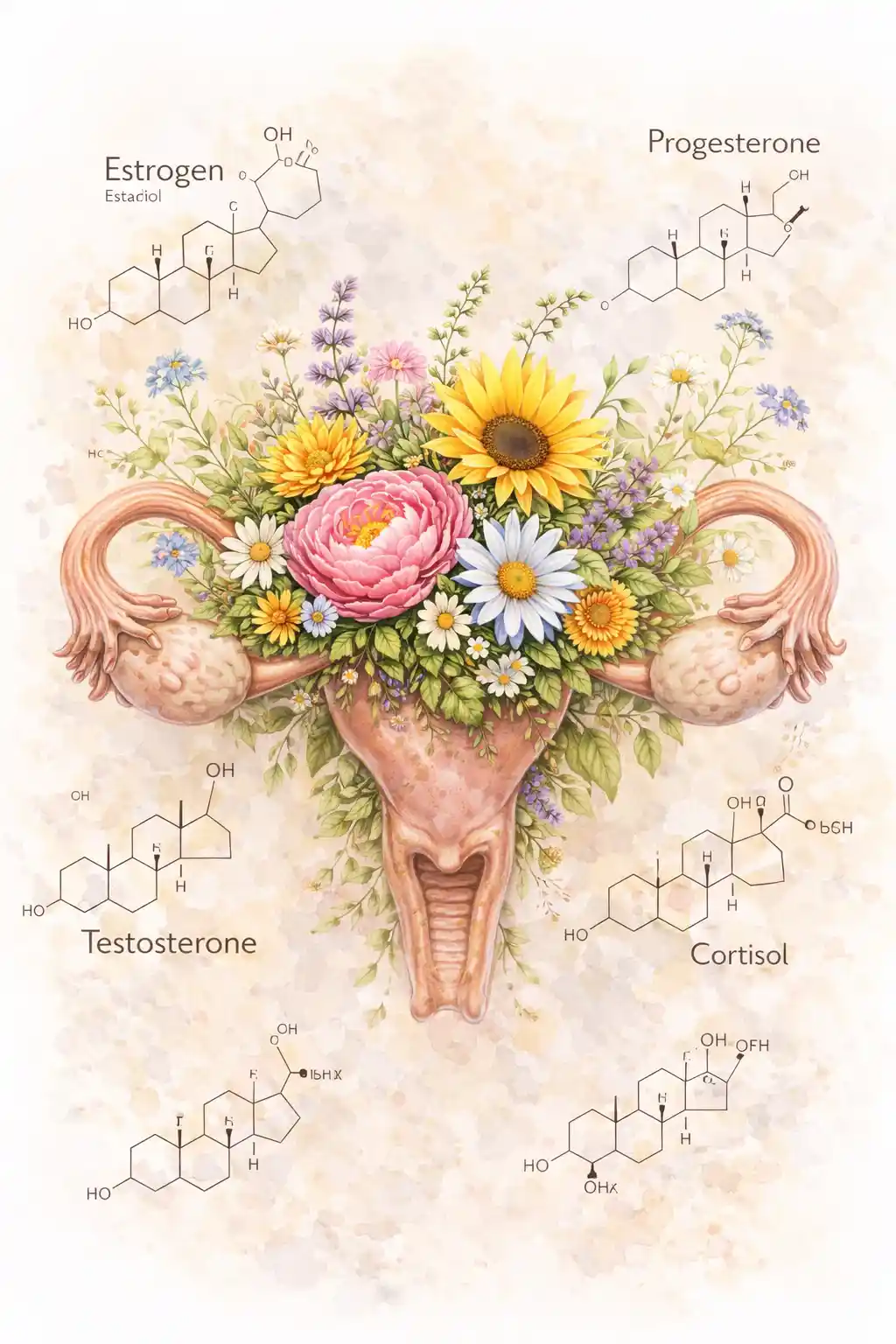
At Straight 2 U Wellness, we take a comprehensive, root-cause functional medicine approach to hormone optimization for patients in Brock, Weatherford, Fort Worth, and surrounding North Texas communities. We assess hormone balance, metabolic health, inflammation, nutrient status, and lifestyle factors to identify the underlying contributors to fatigue, weight changes, mood shifts, brain fog, sleep disruption, and reduced overall well-being.
Rather than relying on symptoms alone or one-size-fits-all treatments, we combine an in-depth health history, functional assessments, and advanced laboratory testing to gain a complete picture of how your body is functioning.
Our advanced testing may include:
These advanced diagnostic tools allow us to evaluate adrenal function, thyroid health, sex hormones, insulin sensitivity, stress response, micronutrient sufficiency, and detox capacity—often uncovering imbalances that persist even when standard lab results appear “normal.”
By understanding how hormones interact with metabolism, gut health, inflammation, detoxification pathways, genetics, and lifestyle factors, we develop a truly personalized, data-driven treatment plan tailored to your unique biochemistry. Your plan may include targeted nutrition, supplementation, hormone support, detoxification strategies, lifestyle optimization, and integrative therapies designed to restore balance at the root cause.
Our comprehensive approach supports improved energy levels, stable mood, better sleep quality, metabolic efficiency, weight regulation, libido, cognitive clarity, and long-term hormonal resilience—helping patients across North Texas feel better, function better, and sustain lifelong wellness.”
If you’re ready to move beyond symptom management and uncover what’s really affecting your hormones and energy, advanced functional testing may be the key. Hormone optimization is not about masking symptoms—it’s about addressing the underlying imbalances that affect how you feel every day. If you’re struggling with fatigue, weight resistance, mood changes, or sleep issues, a personalized functional medicine approach may help.
Posted on Google
 Rachel Tapia
Trustindex verifies that the original source of the review is Google.
I was very pleased with Mary K. Nye today! I finally felt like someone was actually listening to me and truly wanted to help me feel better and become the best version of myself!Posted on Google Robert DrakeNothing but great things to say about everyone at Straight 2 U wellness. Very efficient and extremely Helpful. Listened to my needs and addressed them in a very professional manner. Thanks for listening and taking care of me. I will definitely refer colleagues, family and friends.Posted on Google
 Tia PongratzWe love Mary Katherine and her team! She takes great care of us and is attentive and listens to your concerns. She has a lot of solutions for whole body wellness. And we’ve been helped quickly with any of our urgent care visits.Posted on Google
 Brad BrownEasy breezy experience and so very much appreciated! Thank you for your help!Posted on Google
 Shai GlickI enjoyed my experience. I had an IV administered, and will definitely be returning for many other services. Staff is very knowledgeable and caring. I recommend this clinic to anyone wanting a provider who truly listens.Posted on Google
 Chuck kautzProfessional, expert guidance in a collaborative environment. The way preventative health care should be.Posted on Google
 DENNIS ThomasAwesome health care office! They offer everything you need to get well. This was my first appointment and I am very impressed with everything they have to offer me in my health rebuilding journey. Mary and Sherrill made me feel right at home, like part of their family. They do almost everything in the office, bloodwork, IV, I can go and on and on. If you have a health issue they can help you! Give them a try, you won’t regret it!Verified by TrustindexTrustindex verified badge is the Universal Symbol of Trust. Only the greatest companies can get the verified badge who has a review score above 4.5, based on customer reviews over the past 12 months. Read more
Disclaimer: Hormone care is individualized. Results vary based on personal health history and consistency with care recommendations.
Frequently Asked Questions
Common symptoms include:
Many of these symptoms may develop gradually and are often mistakenly attributed to aging.
Bioidentical hormones are hormones that have the same molecular structure as those naturally produced by the human body.
Bioidentical hormone therapy may be used to support:
Treatment plans are individualized and monitored closely through laboratory testing and symptom assessment.
Low testosterone may contribute to:
A comprehensive evaluation can help determine whether low testosterone may be contributing to symptoms.
Hormones play a major role in metabolism, muscle mass, insulin sensitivity, and body composition.
For some patients, optimizing hormones may help support:
Hormone optimization works best when combined with nutrition, exercise, and lifestyle modifications.
Yes.
Hormones such as progesterone, testosterone, cortisol, melatonin, and estrogen all influence sleep quality.
Hormone imbalances may contribute to:
Addressing underlying hormone imbalances may help improve sleep quality.
Testing may include:
Recommendations are individualized based on symptoms and goals.
Perimenopause is the transitional period leading up to menopause.
Common symptoms include:
Many women begin experiencing symptoms in their late 30s and 40s.
Menopause is defined as twelve consecutive months without a menstrual cycle.
Symptoms may include:
Hormone optimization may help support quality of life during this transition.
Many men and women seek hormone optimization to address changes in sexual desire, arousal, and performance.
Hormones that commonly influence libido include:
A comprehensive evaluation can help identify contributing factors.
Yes.
Straight 2 U Wellness provides hormone optimization services for patients throughout:
Telehealth appointments are also available in eligible states.
Hormones play an important role in cognitive function, concentration, memory, motivation, and mental clarity.
Low testosterone has been associated with symptoms such as:
For men with documented testosterone deficiency, hormone optimization may help support cognitive performance and overall quality of life. A comprehensive evaluation is necessary to determine whether hormonal imbalances are contributing to symptoms.
Yes. Hormones significantly influence sleep quality.
Imbalances in testosterone, progesterone, estrogen, cortisol, thyroid hormones, and melatonin can contribute to:
Many patients notice improvements in sleep after addressing underlying hormone imbalances. However, sleep concerns should always be evaluated comprehensively, as nutrition, stress, sleep apnea, and lifestyle factors may also play a role.
Many women notice changes in body composition during perimenopause and menopause.
Declining estrogen levels may contribute to:
Hormone optimization, nutrition, exercise, strength training, and metabolic support may help women navigate these changes and maintain a healthy body composition.
Estrogen dominance occurs when estrogen levels are disproportionately high relative to progesterone.
Potential contributing factors include:
Symptoms may include:
Identifying the underlying cause is an important part of developing an effective treatment plan.
Progesterone is an important hormone involved in mood, sleep, menstrual health, fertility, and overall hormone balance.
Low progesterone may contribute to:
Many women experience declining progesterone levels during perimenopause, often years before menopause begins.
Yes.
Hormones play a major role in cardiovascular health and lipid metabolism.
Changes in estrogen, testosterone, thyroid hormones, insulin, and cortisol may influence:
Hormone optimization is often considered alongside nutrition, exercise, and comprehensive cardiovascular risk assessment.
Many patients are surprised to learn that hormones can significantly influence joint and muscle health.
Hormonal changes may contribute to:
Women commonly experience joint discomfort during perimenopause and menopause, while men with low testosterone may notice increased muscle and joint complaints.
The DUTCH (Dried Urine Test for Comprehensive Hormones) Test is an advanced hormone assessment that evaluates hormone production, metabolism, and detoxification pathways.
The test may provide information regarding:
Many patients appreciate the DUTCH Test because it provides insights beyond standard blood testing and can help identify hormone imbalances that may contribute to symptoms.
Monitoring frequency depends on the patient’s symptoms, treatment plan, and overall goals.
Many patients are monitored:
Regular monitoring helps ensure safety, effectiveness, and appropriate dose adjustments.
Many men and women safely utilize hormone therapy after age 50 under proper medical supervision.
Treatment decisions should be individualized and based on:
A thorough evaluation is necessary to determine whether hormone therapy is appropriate.